
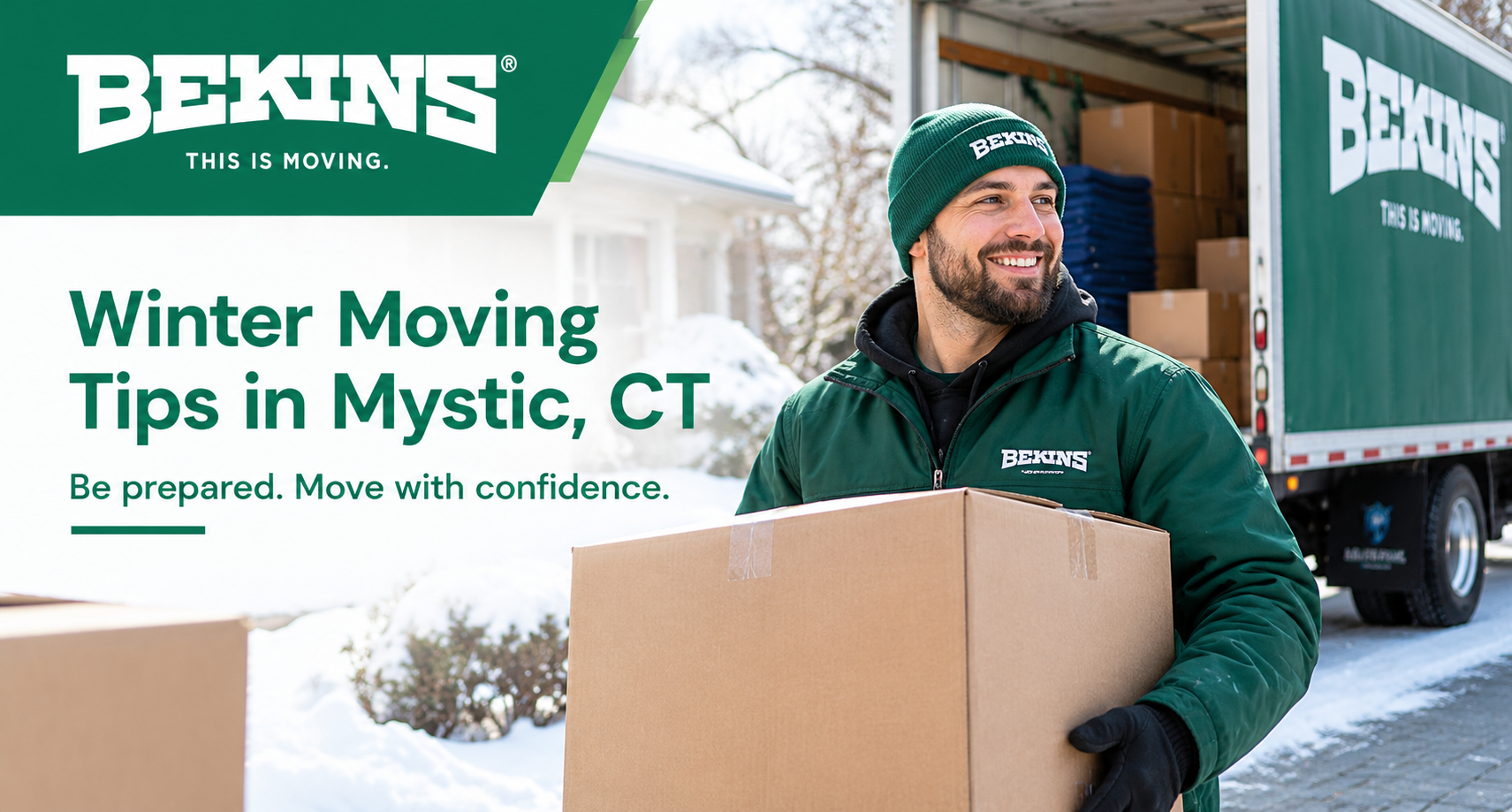
Moving during winter can require more planning than moving in warmer months. Snow, freezing temperatures, icy walkways, and shorter daylight hours can make moving day more challenging. However, with the right preparation, you can protect your belongings, reduce delays, and make the transition to your new home more manageable.
For anyone planning a winter move in Mystic, Connecticut, preparing for changing weather conditions is especially important. A practical moving plan should cover everything from checking the forecast to packing fragile items and making sure the old and new homes are ready for cold weather.
Why Is Planning Important for a Winter Move?
Winter weather can change quickly in coastal Connecticut. Rain, snow, wind, and freezing temperatures may affect travel conditions and make loading and unloading more difficult.
Cold weather can also create challenges for certain belongings, including electronics, plants, musical instruments, and other temperature-sensitive items. In addition, wet shoes and melting snow can make floors slippery inside the home.Planning ahead helps you identify potential problems before moving day. It also gives you time to arrange suitable supplies, prepare safe walking paths, and adjust your schedule if severe weather develops.
6 Tips for Preparing for a Winter Move in Mystic, CT
1. Check the Weather Forecast Before Moving Day
Start monitoring the forecast several days before your move. Look for warnings about snow, freezing rain, strong winds, and icy road conditions.Check the forecast again the evening before and on moving day. If severe weather is expected, communicate with your moving company about scheduling options and safety concerns.
Keep some flexibility in your plans whenever possible. Having extra time can help reduce stress if travel takes longer than expected.
2. Clear Snow and Ice From Walkways
Safe access to your home is essential during a winter move. Before loading begins, clear snow from driveways, sidewalks, entrances, and steps at both properties.
Use an appropriate ice-melting product where needed, following its instructions and considering the surface material. Make sure pathways are well lit, especially if loading or unloading takes place early in the morning or late in the afternoon.Keep entrance areas as dry as possible, and place absorbent mats inside doors to reduce slippery floors. Do not leave boxes, tools, or other obstacles in walking paths.
3. Pack Belongings to Protect Them From Cold and Moisture
Cold temperatures and moisture can affect certain household items. Use sturdy boxes, suitable cushioning, and protective wrapping to keep belongings secure during transport.
Pay particular attention to:
- Electronics: Follow manufacturer guidance for temperature limits and allow devices to reach room temperature before turning them on if they have been exposed to cold.
- Glassware and dishes: Use suitable padding to reduce movement and prevent breakage.
- Artwork and photographs: Protect them from moisture and sudden temperature changes.
- Plants: Plan suitable transportation conditions and avoid leaving them in freezing temperatures.
- Liquids: Check labels and packaging, since some products may freeze, expand, or leak.
Clearly label fragile boxes and keep essential items separate so you can find them quickly after arrival.
4. Prepare an Essential Winter Moving Kit
Pack a separate bag or box with items you may need throughout moving day. This prevents you from searching through packed belongings when the weather is cold or conditions become uncomfortable.
Your winter moving kit could include warm clothing, gloves, extra socks, drinking water, snacks, phone chargers, basic cleaning supplies, towels, and a flashlight.Keep important documents, medications, keys, and personal items with you rather than placing them in the moving truck.If you are moving with children or pets, prepare additional supplies to keep them comfortable and safe during the transition.
5. Protect Floors, Furniture, and Entryways
Snow, mud, and road salt can easily be carried into a home during winter. Use floor protection and entryway mats where appropriate, and keep cleaning supplies accessible.
Furniture should be wrapped with suitable moving blankets or protective materials to reduce the risk of scratches and moisture exposure. Make sure items are dry before placing them in long-term storage.
If you are arranging moving heavy furniture in New London, CT, planning the route through doorways and hallways can help reduce unnecessary handling and improve safety. Large or awkward pieces may require appropriate equipment and trained assistance.
6. Keep Both Homes Ready for Winter Conditions
Before leaving your old home, check that windows are closed, doors are secure, and any required heating arrangements are handled safely.
At the new property, confirm that utilities are connected and the heating system is working before arrival whenever possible. Check for icy steps, snow-covered paths, and poorly lit entrances.
If you are coordinating a move with a relocation company and mover in Clinton, CT, confirm access details, parking arrangements, and any weather-related changes ahead of time.
What Should You Do if Winter Weather Disrupts Your Move?
Safety should always come before keeping to a planned schedule. If conditions become dangerous, contact your moving company to discuss possible delays or rescheduling.
Keep your phone charged, monitor local weather alerts, and avoid unnecessary travel during hazardous conditions. If you need to wait before entering your new home, have a backup plan for transportation and a warm place to stay.It is also wise to confirm any cancellation, rescheduling, or weather-related policies before moving day.
Conclusion
Preparing for a winter move in Mystic, CT, means planning for weather changes, protecting belongings, and making safety a priority. By checking forecasts, clearing icy paths, packing carefully, and preparing both properties, you can make moving day more organized and less stressful.
A little preparation goes a long way toward helping you settle into your new home comfortably, even when Connecticut’s winter weather presents unexpected challenges.